What is The 5th House?
The 5th House is the area of the birth chart that governs how you express who you really are.
- Rules creativity, romance, play, and children — anything made for the joy of it
- Naturally tied to Leo and the Sun, the chart's instinct to shine
- Often filed under "fun," when its deeper theme is the vulnerability of being seen
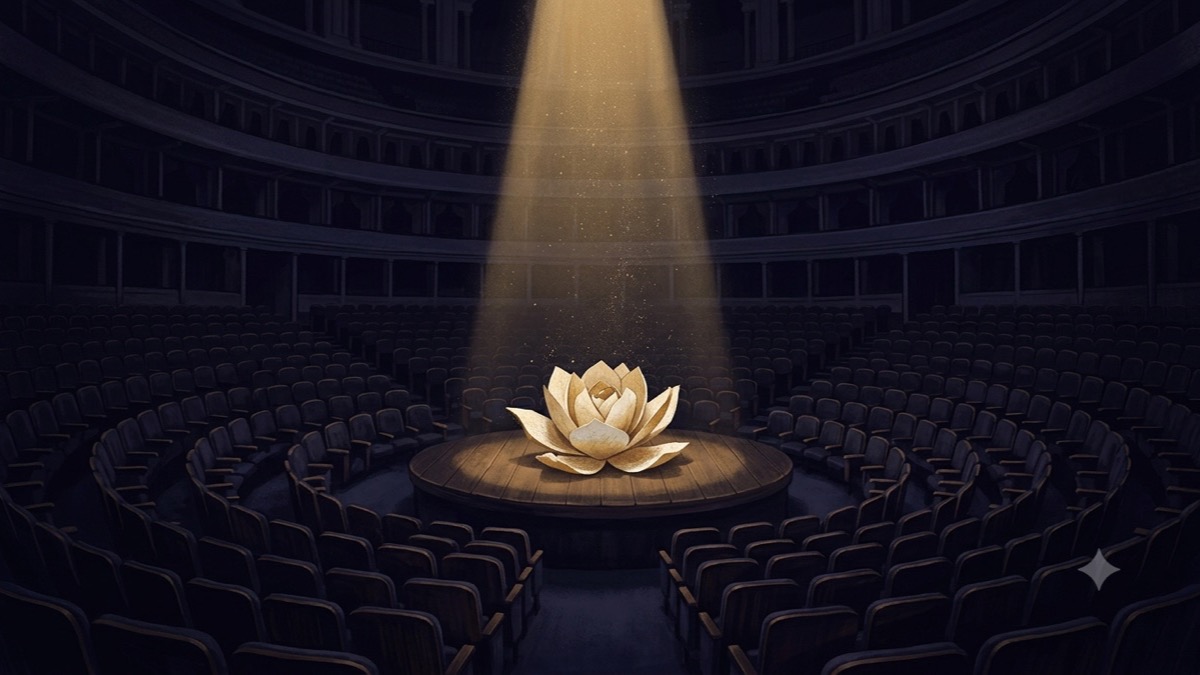
In the lineage of psychological astrology that Howard Sasportas helped shape, this house is the stage where your inner self steps forward — not to win approval, but for the pleasure of being. It sits within the wider system mapped in the pillar guide to the twelve astrological houses, where each house describes a different arena of life. Reading it well means looking past romance and hobbies to the quieter question of whether you let yourself be fully seen, which is what separates a shallow reading from a genuinely useful one.
Why It Matters for Self-Awareness
Understanding this house matters because most popular write-ups stop at romance and creativity, which leaves readers with a flattering but shallow picture of what this part of the chart is actually doing. The real friction tends to show up later. Someone reads that this house is about "fun," then cannot understand why sharing their art, flirting, or performing leaves them feeling so strangely exposed. That exposure is the point. To make something and show it, or to let yourself be wanted, is to risk being seen as you actually are — and to risk that the response will not be warm. This is the reading that Liz Greene and Howard Sasportas brought into modern psychological astrology: the house as a place of exposure, not just enjoyment.
In twelve years of integrating psychological frameworks with evolutionary astrology, including thousands of hours of chart consultation, I have watched this one misread create more quiet self-doubt than almost any other placement. People assume the block is a lack of talent or charm. More often it is an old, unspoken fear that the authentic self — the one that wants to play and be admired — will be judged or dismissed. Seen this way, the house stops being a list of pleasant topics and becomes a growth question: where do you still hold back from being fully yourself, and what would it take to show that self anyway?
This is also why the house tends to split people into two recognisable strategies, a pattern Greene observed closely. Some withdraw, treating their own creativity and wish to be admired as faintly embarrassing, and quietly stop putting themselves forward at all. Others overcompensate, chasing applause and reassurance so hard that the play drains out of the play. Both reactions trace back to the same root: a distrust of spontaneity and a fear that the expressive self will not be welcome. Recognising which way you lean is the first practical step toward loosening the grip of either extreme.
The 5th House vs Adjacent Concepts: How It Works + Trade-offs
The fifth house is easiest to understand when you set it beside the houses it is most often confused with, because each one handles the question of "self" in a different way. Looking at how each works makes the trade-offs between them visible, and shows why the fifth cannot simply be reduced to fun.
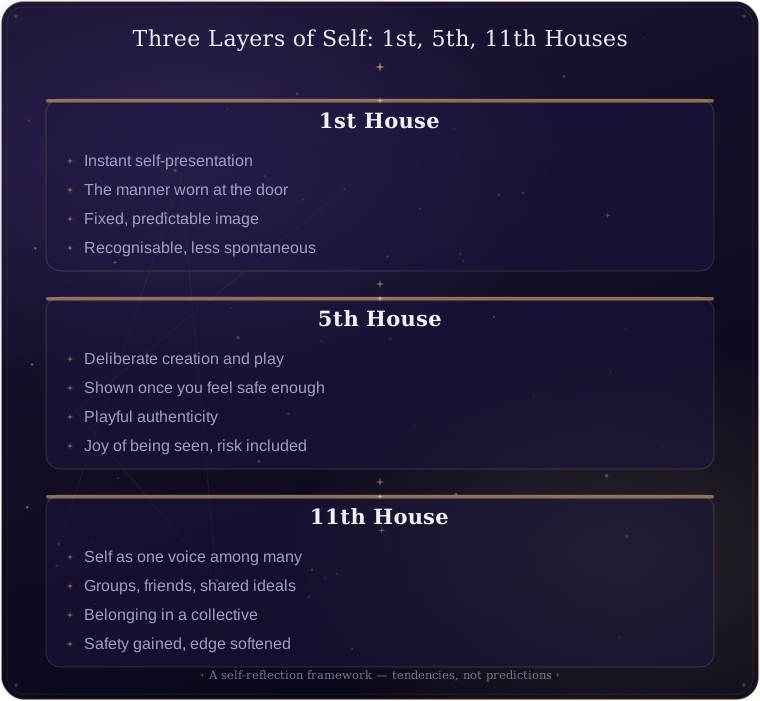
- This house versus the eleventh. The fifth works in a deeply personal register, pushing you to express your individual spark for its own sake, with no audience required. The opposite spoke page on the 11th house works through groups, friendships, and shared ideals, where the self is one voice among many. To get the undiluted joy of self-expression the fifth offers, you sacrifice the safety of blending into a collective; the eleventh hands you belonging in return, but quietly asks you to soften the very thing that makes you singular.
- This house versus the first. The first house works as your immediate self-presentation, the instinctive manner you wear at the door before a word is spoken. The fifth works one layer deeper, through what you deliberately choose to create and show once you feel safe enough to play. To keep the instantly recognisable identity the first provides, you sacrifice some spontaneity; to gain the playful authenticity of the fifth, you give up the protection of a fixed, predictable image.
- This house versus the tenth. The tenth house works through public achievement and reputation — the structured, long climb toward a visible goal. The fifth works through play that has no destination beyond the pleasure of doing it. To build the lasting status the tenth promises, you sacrifice spontaneity and immediacy; to keep the freedom of pure creative play, you give up any guarantee that the effort will amount to something the world rewards.
How to Read The Fifth House in Your Chart
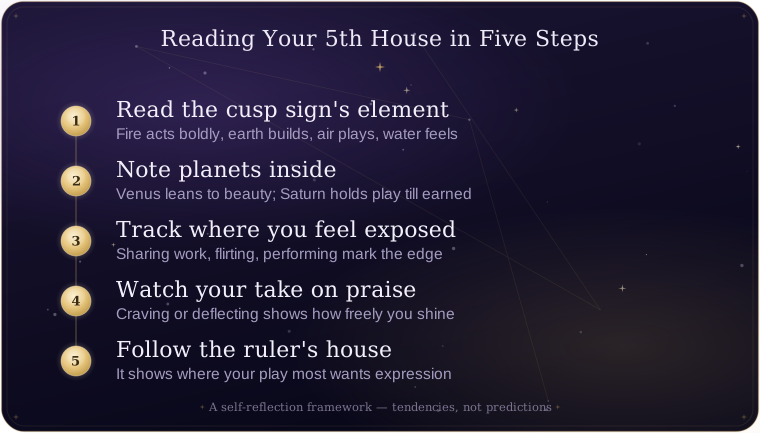
To read the fifth house in your own chart, start with three things — the sign on its cusp, any planets sitting inside it, and the condition of its ruling planet — then watch how those themes actually surface in daily life rather than only on paper.
- Find the sign on the cusp. Its element shows how you create — fire acts boldly, earth builds slowly, air plays with ideas, water creates from feeling.
- Note any planets inside. A planet here colours your self-expression; Venus leans toward beauty and romance, while Saturn often inhibits play until it feels earned.
- Track where you feel exposed. Notice the moments — sharing work, flirting, performing — when you most want to hide. That edge marks the house at work.
- Watch your relationship to praise. Whether you crave applause or quietly deflect it shows how freely this part of you believes it is allowed to shine.
- Look at where its ruler lands. The house holding that ruler shows where your need to play and be seen most wants to express itself.
Common Misreadings
Because surface-level write-ups dominate the search results, this house collects a few stubborn misreadings that are worth correcting one by one.
- Misread: it is only about romance and fun. Dating, hobbies, and play are just the visible edge of the house; its deeper concern is authentic self-expression and the plain courage to be seen.
- Misread: a quiet placement here means no creativity. More often it points to creativity that has been inhibited or hidden rather than genuinely absent — the spark is present but carefully guarded.
- Misread: wanting attention here is vanity. The wish to be admired for what you make is a healthy developmental need, not a flaw, though it can tip into anxious approval-seeking when old fear is running it.
- Misread: a strong placement here guarantees an easy creative life. Prominent planets raise the stakes rather than the ease — Pluto here, for instance, can bring an intense, almost compulsive creative drive that has to be consciously shaped instead of simply enjoyed.
The Fifth House at a Glance
| Property | How It Works | Natural Ruler & Sign | How to Observe |
|---|---|---|---|
| Creative expression | Channels the urge to make something unmistakably yours | Sun / Leo (fire) | You lose track of time making, performing, or playing |
| Romance and pleasure | Draws you toward what delights you, for its own sake | Sun / Leo (fire) | You pursue flirtation or hobbies with no goal but joy |
| Children and play | Carries a playful, generative impulse, literal or creative | Sun / Leo (fire) | You light up around kids, games, or open-ended making |
| The risk of being seen | Asks you to show the real self and tolerate the response | Sun / Leo (fire) | You feel exposed when sharing work or being admired |
Questions People Ask About The Fifth House
What does the 5th house really mean in astrology?
It governs creativity, romance, children, play, and self-expression — in short, everything you do purely because it feels like an honest extension of you. Beneath the obvious fun, its core theme is the vulnerability of being seen and accepted as your authentic self.
Is this house only about love and dating?
No, though romance is one of its most familiar expressions. The same house also covers art, performance, hobbies, and children — any act of putting your genuine, unfiltered self into the world for others to witness.
What does it mean to have a planet in this house?
That planet flavours how you create and pursue pleasure; Venus tends toward beauty and romance, while Saturn can hold back spontaneous play until you feel you have somehow earned the right to it. The placement describes both the natural style and the likely obstacles of your self-expression.
Why does sharing my creativity feel so exposing?
Because this part of the chart is exactly where the authentic self steps into open view, and being truly seen always carries the risk of not being received warmly. That tension is the house working as intended, not a sign that anything has gone wrong.
Reflection Prompts
- Think of a recent moment when you shared something you made — what did you most fear the other person would think?
- Recall a time you held back from playing or flirting; what were you protecting by staying hidden?
- When you last received praise for being yourself, did you take it in or quietly deflect it?
Related Reading
- spoke page on the Sun in astrology — the planet that naturally rules this house and carries its drive to shine
- guide to planets in the houses — how a planet's placement shapes where and how your energy expresses itself
Take Action
Read the full Astrological Houses guide to place the fifth house within the chart, and map how each of the twelve houses frames a different arena of your life. With that whole-chart view in front of you, you can see exactly where your drive to create and be seen fits among your other needs, pressures, and commitments. From there, self-expression stops feeling like a risk to be managed and quietly becomes a part of yourself you can choose to honour on purpose.
Sources
- Liz Greene — brought Jungian depth psychology into astrology, reframing placements as inner patterns rather than fixed fates
- Howard Sasportas — developed the psychological reading of the houses, including the 5th as the stage of authentic self-expression