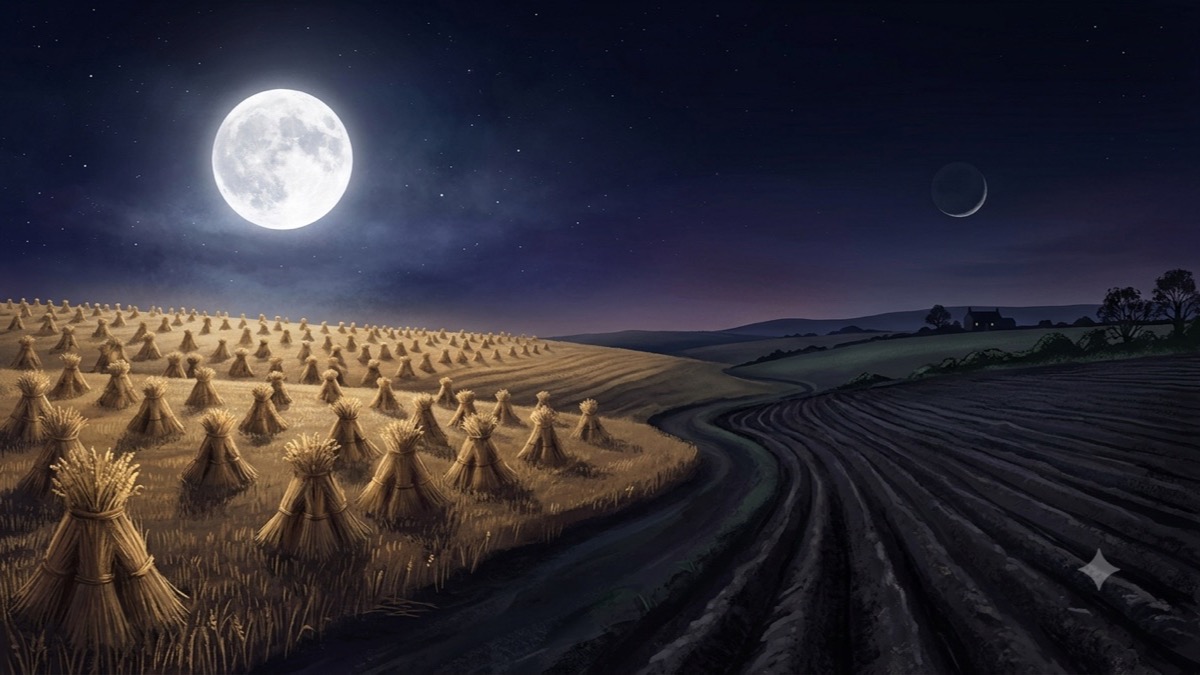
What Does It Mean to Observe a Full Moon Spiritually?
To observe a full moon spiritually means treating the brightest night of the lunar cycle as a deliberate moment for completion, release, and clear seeing — not for starting anything new. Concretely, that comes down to a handful of practices you can do in an evening: review the intention you set at the last new moon, name what has run its course, let it go through journaling or a simple ritual, and give thanks for what actually grew. That is the whole assignment. The full moon is the harvest point of the cycle, so the spiritual work points backward at what has ripened rather than forward at what you want next.
If you came here wondering what to actually do, here is the short list, in order: (1) reflect on what the past two weeks produced, (2) name one thing you are releasing, (3) mark the release with a small ritual or written gesture, (4) note what you are grateful for, and (5) resist the urge to set fresh goals — that belongs to the new moon. Each of those is unpacked below with concrete steps. The single distinction that makes all of it click is that the full moon is the partner to the new moon: one plants, the other harvests.
- Marks the culmination of the lunar cycle, the bright midpoint rather than a fresh beginning
- Centers on release, gratitude, and conscious completion instead of goal-setting
- Works best as the partner to the new moon, which handles planting and seeding
Why It Matters for Self-Awareness
Understanding what to do on a full moon spiritually matters because most frustration with moon work traces back to one specific mix-up: people treat the full moon like a second new moon. They sit down under a bright sky, set fresh intentions, sketch out new projects, or try to manifest more abundance — then feel deflated when the practice goes nowhere. The problem usually isn't effort or belief; it's timing. The full moon runs on the opposite current from the new moon, so asking it to launch beginnings is a little like trying to plant seeds in the middle of harvest. The energy is there, but it's pointed at a different job.
That mismatch is the real friction, and it shows up in familiar ways. One reader follows a popular "full moon manifestation" script, lists ten things they want to attract, and notices the ritual feels hollow because nothing is actually being released. Another starts a new habit on every full moon and quietly wonders why momentum never builds. A third keeps a vague sense that the night is "powerful" but has no idea what to do with it. When you plant at the moment built for harvesting, your effort and the lunar rhythm pull in different directions. Reading the full moon for what it genuinely supports — completion, gratitude, and letting go — tends to feel less like forcing and more like working with the grain, which is why pairing it with new moon journal prompts for the planting half gives the whole practice its shape.
Full Moon Spiritual Practice vs General Self-Care — What's the Difference?
It is fair to ask how a full moon practice differs from ordinary self-care — a bath, a journaling session, an early night. The mechanics can look identical; the difference is timing and direction. General self-care is undated and open-ended: you do it whenever you need to feel better, and it can point anywhere. A full moon spiritual practice is anchored to a specific point in a cycle and pointed in a specific direction — backward, toward what to complete and release rather than what to soothe or build. A bath is a bath; a bath taken deliberately to mark the end of something you set in motion two weeks ago is a ritual. That added intention — and the lunar timing that frames it — is the whole distinction. Two further comparisons sharpen what the full moon is for.
Full Moon vs New Moon — Harvest, Not Seeding
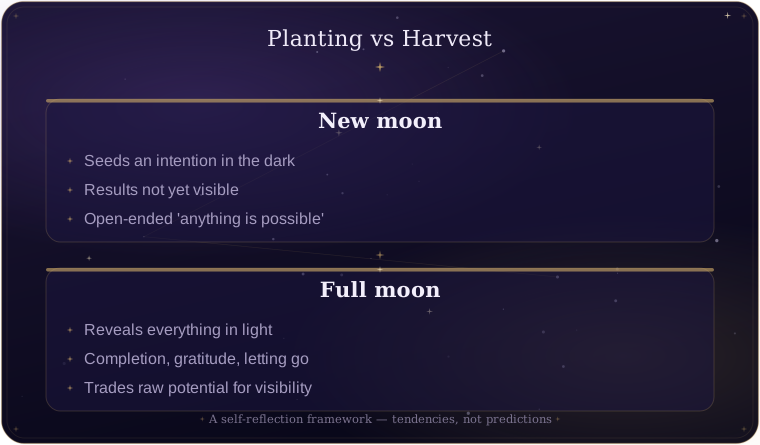
Knowing what to do on a full moon spiritually depends on getting this pairing right. Building on the lunation-cycle framework Dane Rudhyar helped establish — and the phase-based reading Alexander Ruperti developed — the cycle moves through clear stages: the new moon seeds an intention in the dark, the first quarter pushes it into action, the full moon brings it into full light and fulfillment, and the closing phases clear the ground for the next round. How it works is directional. The new moon plants in darkness where you can't yet see results; the full moon reveals everything in light, including what you'd rather not look at. To get the clarity and emotional completion the full moon offers, you give up the open-ended "anything is possible" feeling of the new moon — in plain terms, you trade raw potential for visibility. This is why a full moon ritual centers on release while a new moon ritual centers on intention.
Release Work vs Manifestation Work
A second contrast is release work versus manifestation work, and the two pull in opposite directions. Manifestation leans forward, naming what you want to call in; release leans back, naming what you're finally ready to set down. The way it functions is that the full moon's heightened visibility makes unfinished business and lingering tension easier to see, which is why letting-go practices land so well here while goal-setting tends to fall flat. To get the catharsis of real release, you sacrifice the momentum of building something new — choosing one for the night means setting the other aside until the cycle turns. People who try to do both at once often end up scattered, unsure whether they're opening or closing — which is exactly why the cycle separates the two jobs across full moon energy at the peak and the quiet new moon at the start.
How to Tell the Full Moon Is Active in You
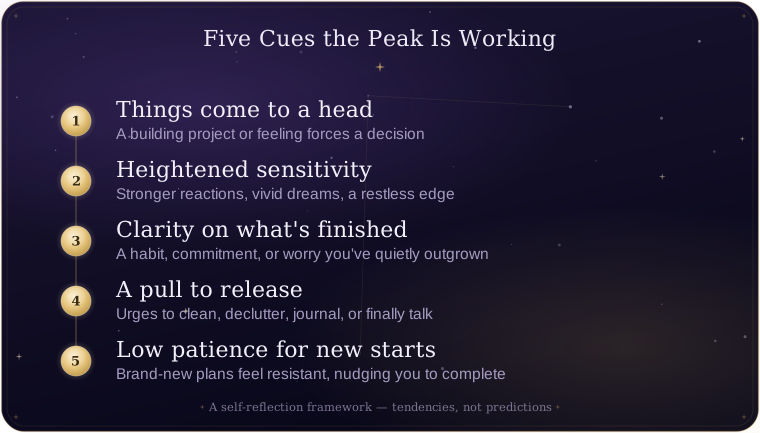
You don't need an ephemeris to feel a full moon working — the signs tend to show up in mood, energy, and whatever rises to the top of your attention. Use these as observation cues:
- Things come to a head. A project or feeling that's been building suddenly peaks or forces a decision you can't postpone.
- Heightened sensitivity. You may notice stronger reactions, vivid dreams, or a restless edge in the nights around the full moon.
- Clarity about what's finished. It becomes obvious what has run its course — a habit, a commitment, or a worry you've quietly outgrown.
- A pull to release. Many people describe an urge to clean, declutter, journal, or finally have an overdue conversation.
- Low patience for fresh starts. Plans to begin something brand-new can feel oddly resistant, nudging you back toward completion instead.
Reading these cues is most of what to do on a full moon spiritually in everyday terms — you notice the peak, then choose to work with it rather than against it.
Concrete Full Moon Practices
Once you notice the peak is active, the question becomes what to actually do with it. These three families of practice cover the full moon's real work — release, gratitude, and chart-based reflection. You do not need all of them in one night; pick one and do it with attention rather than rushing through a checklist.
Practices for Release and Letting Go
Release is the central full moon practice, and the most direct version is also the simplest. Write down one thing you are ready to set down — a resentment, a habit, an expectation that turned out wrong, a story you have outgrown. Read it aloud, then mark the ending with a deliberate gesture: tear the page, blow out a candle, or simply close the notebook and sit for a moment. The point is not the drama of the gesture but the decision behind it. Other release-oriented practices that fit this phase well include a focused declutter of one drawer or inbox, an overdue conversation you have been postponing, or a short walk where you mentally hand back something you have been carrying. Whatever form it takes, name it specifically — vague "letting go of negativity" tends to release nothing. For a step-by-step structure, see what a full moon ritual really does.
Practices for Gratitude and Recognition
The full moon is a culmination, which means part of the work is acknowledging what actually grew, not only what to clear. A gratitude practice here is more pointed than a general thankfulness list: look back specifically at the two weeks since the new moon and name what arrived, what you completed, and what effort genuinely produced a result. Recognition matters because release without acknowledgment turns the practice into pure subtraction — you end up only ever naming what is wrong. Light a candle for something that worked. Write a short note of thanks to someone who helped a cycle close well. Recognizing the harvest is what gives the release its meaning; you are not just throwing things out, you are clearing space because something has been gathered in.
Practices for Connecting With Your Birth Chart
A chart-aware full moon practice is the most precise of the three. Each month's full moon falls in a particular sign and therefore in a particular house of your birth chart — the area of life this lunation is asking you to complete or release. A full moon in your seventh house points the work toward a relationship; one in your sixth house toward work, health, or daily routine. When you know the house, your release and gratitude stop being generic and start pointing at something real. The fastest way to find it is to generate your birth chart and note which house the current full moon sign occupies. The two upcoming lunations are good practice runs: the June 2026 full moon on the Cancer–Capricorn axis and the July 2026 full moon on the Leo–Aquarius axis each activate a different house, and therefore a different theme, for everyone.
Common Misreadings
A lot of popular full moon content blurs the phases, and that's exactly where what to do on a full moon spiritually goes wrong for most people. Four misreadings come up again and again:
- "The full moon is for setting intentions." Intention-setting actually belongs to the new moon; the full moon is for releasing and completing whatever that earlier intention set in motion.
- "A full moon ritual should manifest new things." Manifestation runs against the full moon current — this phase reveals and clears, while calling in new goals fits the cycle's opening, not its peak.
- "Full moon energy can fix difficult emotions." The full moon is better understood as a moment to reflect on emotional tension, not a force that resolves it for you.
- "Every full moon feels the same." The sign and the chart area each one touches color it differently, which is why an identical ritual can land differently from month to month.
What to Do on a Full Moon Spiritually at a Glance
| Property | How It Works | Energy Center | How to Observe |
|---|---|---|---|
| Culmination phase | Marks the peak of the lunar cycle, where a process reaches its fullest expression | The house the full moon transits in your chart | Notice which issue or project suddenly demands attention |
| Release focus | Clears and completes rather than initiates | The Sun–Moon opposition axis across two signs | Feel the pull to let go, finish, or declutter |
| Heightened visibility | Brings unfinished business into the light | The transiting sign of the Moon that month | Watch for stronger emotions, vivid dreams, restlessness |
| Cyclical pairing | Closes what the new moon opened about two weeks earlier | The natal area tied to that month's intention | Review the intention you set at the last new moon |
Common Questions About Full Moon Spiritual Practice
What should you actually do on a full moon spiritually?
Focus on release and completion: review the intention you set at the last new moon, name what's finished, and let it go through journaling, a gratitude list, or a simple ritual. Avoid starting brand-new projects, since this phase favors closing over opening.
Is the full moon good for manifestation?
It's better for releasing than for manifesting. New beginnings align with the new moon's seeding energy, while the full moon is the harvest point that reveals and clears what's already in motion.
Why do I feel emotional or restless around the full moon?
The full moon is traditionally linked to heightened visibility and intensity, so feelings sitting below the surface can become more noticeable. Many people use this as a cue to reflect on tension rather than push it away.
How often should I do full moon rituals?
There's a full moon roughly once a month, so a monthly rhythm fits the cycle naturally. Pairing each full moon release with the prior new moon's intention keeps the practice tied to what's actually happening overhead.
Reflection Prompts
- Think of one commitment or habit you started this past month — is it ready to be completed, continued, or released?
- Recall a recent moment when something came to a head; what did that peak make clear that you'd been avoiding?
- Name one thing you're holding onto out of habit, and picture what closing it would free up.
Related Reading
These pages extend the practice without repeating what's already linked above:
- Full moon energy — why the peak feels amplified, and how to read which house and aspects it activates.
- Full moon journal prompts — the written half of full moon practice, with prompts grouped by release, gratitude, and chart themes.
- Full moon June 2026 and full moon July 2026 — tailor the release practice to each month's specific sign and theme.
- Moon journal — extends the reflection practice across all four phases of the lunar cycle.
- Beginner overview of reading your birth chart — shows how to find which house each full moon activates for you.
- Full moon (Wikipedia) — a plain-astronomy reference for the phase itself.
Take Action
Ready to see exactly where each full moon lands in your own chart? Generate your free birth chart to explore full moon spiritually and map which house every lunar peak activates for you across the year. With your full moons sorted by house, your release work stops being generic — instead of a one-size ritual, you can aim it at the specific area of life that's genuinely ready to be completed. Over time, that turns a vague monthly habit into a clear read on which parts of your life are winding down and which are just getting started.
Sources
- Dane Rudhyar — pioneered the psychological, person-centered reading of the lunation cycle that frames the full moon as a phase of fulfillment and release
- Alexander Ruperti — developed the phase-based approach to lunar and planetary cycles that this completion-focused reading draws on